Source Frozen Seasoned Seaweed Stem Slices for Restaurants
Compare 27 listings for frozen seasoned seaweed stem slices from verified Chinese suppliers. Buyers can evaluate certifications, packaging options, and pricing to find suitable products for food service, hot pot, and wholesale applications; compare the available evidence and request quotations based on your requirements.
Key considerations
Products List


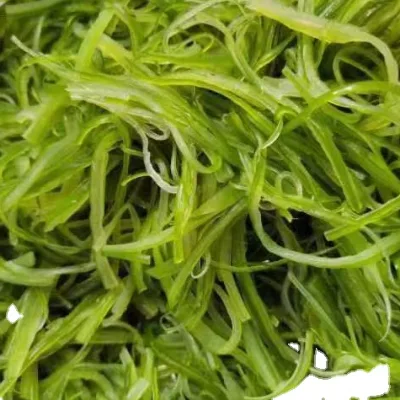
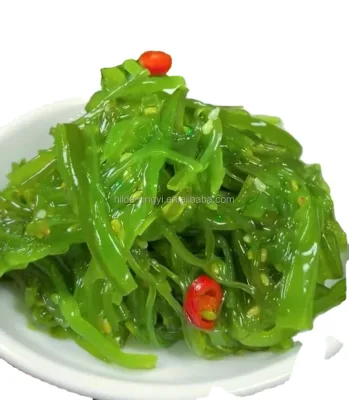


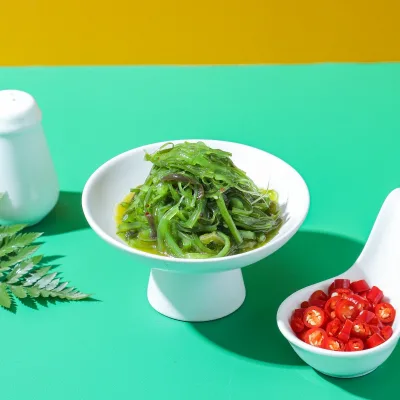
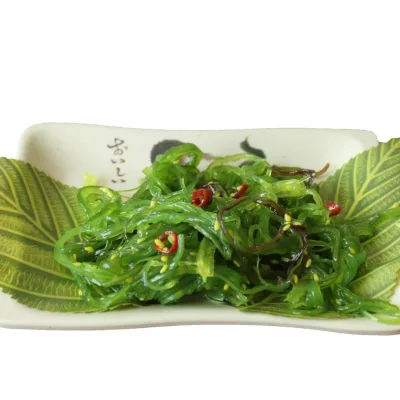
Comprehensive Sourcing Guide
Frozen Seasoned Seaweed Stem Slices Sourcing Guide
Procuring frozen seasoned seaweed stem slices requires distinguishing between cultured and wild-harvested resources, as the supply chain varies significantly based on origin. The observed market data indicates that products are available from both sea and fresh water producing areas, with specific listings highlighting a vibrant green color and crispy texture. Buyers must verify whether the raw material is fresh seaweed processed into a shredded form or a specific stem slice, as the texture and mouthfeel directly impact the final culinary application.
Commercial listings show a wide range of packaging options, from individual vacuum bags to bulk cartons, which influences logistics and storage costs. The observed shelf life exceeds twelve months when stored under frozen conditions, ensuring long-term inventory stability for food service and wholesale channels. However, the presence of varying liquid content percentages and specific model numbers suggests that buyers should request detailed product specifications to confirm the exact form and seasoning profile before committing to a large order.
Product Scope and Observed Listing Signals
The product scope encompasses seasoned seaweed varieties that are ready to eat without cooking, often featuring a savory taste profile and specific length specifications. Listings indicate that the product is frequently marketed as a seaweed salad or a standalone snack, with some variations including sesame seeds for enhanced appearance. The observed color range spans from vibrant green to deep green, and the texture is consistently described as crispy, which is a critical quality indicator for frozen seafood products intended for immediate consumption.
Buyers should note that the observed price range is broad, reflecting differences in customization, packaging, and raw material sourcing. While some entries list specific model numbers like HB476 or Seasoned-01, others use generic descriptors, requiring careful verification of the actual product attributes. The availability of private label options and OEM services suggests that many suppliers are prepared to meet specific branding needs, but the exact customization parameters must be confirmed to ensure the final product matches the intended market positioning.
Technical Specifications to Verify
Technical verification must begin with the physical form and dimensions of the seaweed slices, as specifications like 4-5cm length are critical for consistent portioning in food service applications. Buyers should confirm the exact standard weight per package, which ranges from 200g to 2kg, and ensure that the vacuum packing method aligns with the required shelf life and moisture retention. The liquid content, observed between 10-20%, is a key technical parameter that affects the final weight and seasoning intensity, necessitating precise measurement during quality control.
Further verification is required for the production process, specifically regarding the spicy taste profile and the specific model numbers associated with different seasoning blends. The distinction between wild and cultured resources impacts the texture and flavor consistency, so buyers must request batch-specific data to confirm the raw material source. Additionally, the packaging standard, whether it is a single bag or a carton, must be validated against the logistical requirements of the destination market to prevent damage during transit.
Compliance and Safety Documentation
Compliance documentation is paramount for importing frozen seafood products, with HACCP, FDA, and ISO certifications appearing frequently in the observed data. These certifications indicate that the supplier adheres to rigorous food safety management systems, which is essential for maintaining the integrity of the frozen supply chain. Buyers should explicitly request current certificates for each production batch to ensure that the facility maintains these standards consistently, as the presence of these marks on a listing does not guarantee their validity for a specific shipment.
In addition to general food safety certifications, specific regional requirements such as BRC and Halal certification may be necessary depending on the target market. The observed listings confirm that some suppliers hold BRC and Halal credentials, which can facilitate entry into markets with strict dietary or quality standards. Procurement teams must verify that the certification scope covers the specific product type, such as seaweed salad or seasoned slices, and that the issuing body is recognized by the relevant regulatory authorities in the destination country.
Cost Drivers and Commercial Terms
Cost drivers for frozen seasoned seaweed stem slices are heavily influenced by the customization level, packaging format, and the distinction between wild and cultured resources. The observed MOQ range is extensive, spanning from single units to 16,500 units, which allows for flexibility but requires careful negotiation to optimize unit economics. Buyers should analyze the cost implications of different packaging options, such as vacuum bags versus bulk shipments, as these choices directly impact storage efficiency and handling costs at the destination.
Commercial terms must clearly define the lead time and the specific conditions for the frozen storage requirement to prevent quality degradation. The observed data suggests that while some products are available for immediate shipment, others may require specific production runs based on the requested model or seasoning profile. It is crucial to establish clear payment terms and delivery schedules that account for the cold chain logistics, ensuring that the product arrives within the optimal temperature range to maintain its vibrant green color and crispy texture.
Supplier Qualification and Quality Control
Supplier qualification should focus on the ability to maintain consistent quality across different production runs, particularly regarding the texture and color of the seaweed slices. The observed attributes, such as the glossy finish and savory taste, must be reproducible, which requires a robust quality control system at the manufacturing facility. Buyers should request samples that match the specific model number and verify that the raw material source, whether fresh seaweed or wild harvest, meets the agreed-upon specifications for size and appearance.
Quality control protocols must also address the packaging integrity, as the vacuum packing method is critical for preserving the product during frozen storage. The observed use of cartons and various bag sizes indicates that suppliers have diverse packaging capabilities, but the buyer must ensure that the chosen packaging prevents freezer burn and maintains the product's shelf life. Regular audits of the supplier's production line and testing of the final product for liquid content and seasoning consistency are essential steps to mitigate the risk of receiving substandard goods.
Long-Term Procurement Checks
Long-term procurement success depends on establishing a reliable supply chain that can adapt to changing market demands and regulatory requirements. Buyers should implement a system for periodic re-verification of supplier certifications, ensuring that HACCP, FDA, and BRC standards remain current and applicable to the specific product lines. This proactive approach helps prevent disruptions caused by expired credentials or changes in regulatory landscapes, which are common in the international food trade.
Continuous monitoring of product performance in the market is also vital, as consumer preferences for texture, flavor, and packaging may evolve over time. The observed variety in product models and styles suggests that suppliers are capable of innovation, but buyers must maintain open communication channels to align future orders with market trends. By tracking key performance indicators such as defect rates and delivery timeliness, procurement teams can ensure that the long-term partnership remains mutually beneficial and aligned with the brand's quality standards.
FAQs
What certifications do frozen seasoned seaweed stem slices typically have?
These products commonly hold HACCP, FDA, ISO, and BRC certifications. Such credentials ensure compliance with international food safety standards. Buyers should verify specific certificates with suppliers to confirm regulatory alignment for their target markets and import requirements.
How is the seaweed resource sourced for these products?
The seaweed is sourced from both cultured and wild resources. This dual sourcing approach ensures consistent supply and quality. The raw material is fresh seaweed, processed into seasoned slices that maintain a vibrant green color and crispy texture for immediate consumption.
What packaging options are available for bulk orders?
Standard packaging includes vacuum bags inside cartons. Common weights are 200g, 500g, 1kg, and 2kg per bag. Bulk shipments may use larger cartons or plastic boxes. Custom packaging is available for private label requirements, ensuring brand visibility and product protection.
Can these seaweed slices be used without cooking?
Yes, they are ready to eat and require no cooking. The product is seasoned and preserved for immediate consumption. This convenience makes it ideal for food service, salads, and snacks. The savory taste and crisp texture are preserved through vacuum packing and freezing.
What is the shelf life of frozen seasoned seaweed?
The shelf life exceeds 12 months when stored correctly. Frozen conditions preserve the vibrant green color and crispy texture. Vacuum packing prevents moisture loss and contamination. Buyers should store products at consistent temperatures to maintain quality throughout the extended storage period.
Which specifications are available for seaweed stem slices?
Available models include HB476, HB202608, HB105, and Seasoned variants. Lengths typically range from 4-5cm. Standard weights are 500g or 1kg per bag. Some products contain 10-20% liquid seasoning. Custom specifications are available for specific buyer requirements and market preferences.